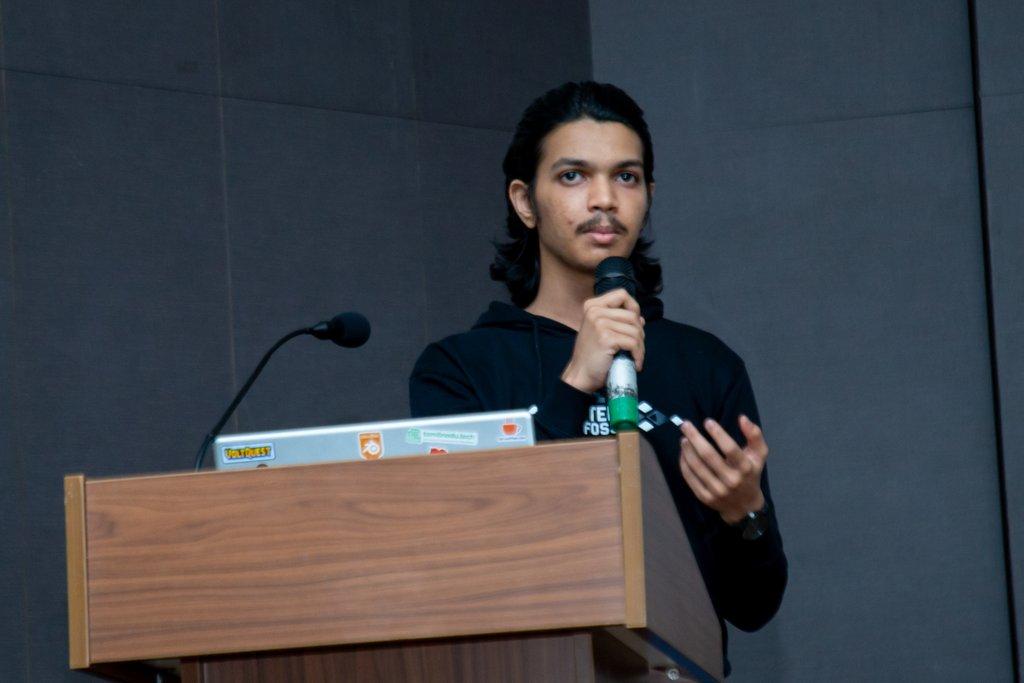
Open hardware has come a long way over the past few years. We now have capable RISC-V boards, ARM based Linux devices, Linux phones and handhelds. The hardware is getting there. The software ecosystem still has some catching up to do.
This talk is about helping close that gap by porting existing open source games and applications to these platforms.
I'll share why I think porting existing software is one of the best ways to contribute to open hardware, what the process actually looks like, the kinds of issues I ran into, and what I learned while getting applications running on different architectures and devices. Along the way we'll look at build systems, cross compilation, testing on real hardware, debugging, and upstreaming fixes where possible.
I'll also talk about Linux phones and why native applications matter. Compatibility layers like Waydroid are fantastic and have played a huge role in making Linux phones more usable, but they shouldn't become a reason to stop building native applications. If we're opening Waydroid for everyday tasks, there's still work to do, and that's where I think porting existing software can make a real difference.
This isn't a deep dive into compilers or CPU architecture. It's a practical talk about bringing software beyond x86, contributing to open source, and helping grow the software ecosystem around emerging Linux platforms.
Note: This talk is still evolving. I'll be spending the next few months porting more games and applications, documenting the process on shadowfoss.com, and adding the actual ports, demos and lessons learned into the final talk.