Exploring FrameStory: Architecture and extending support to modern Python tooling for improved accessibility
References
Session Categories
Speakers
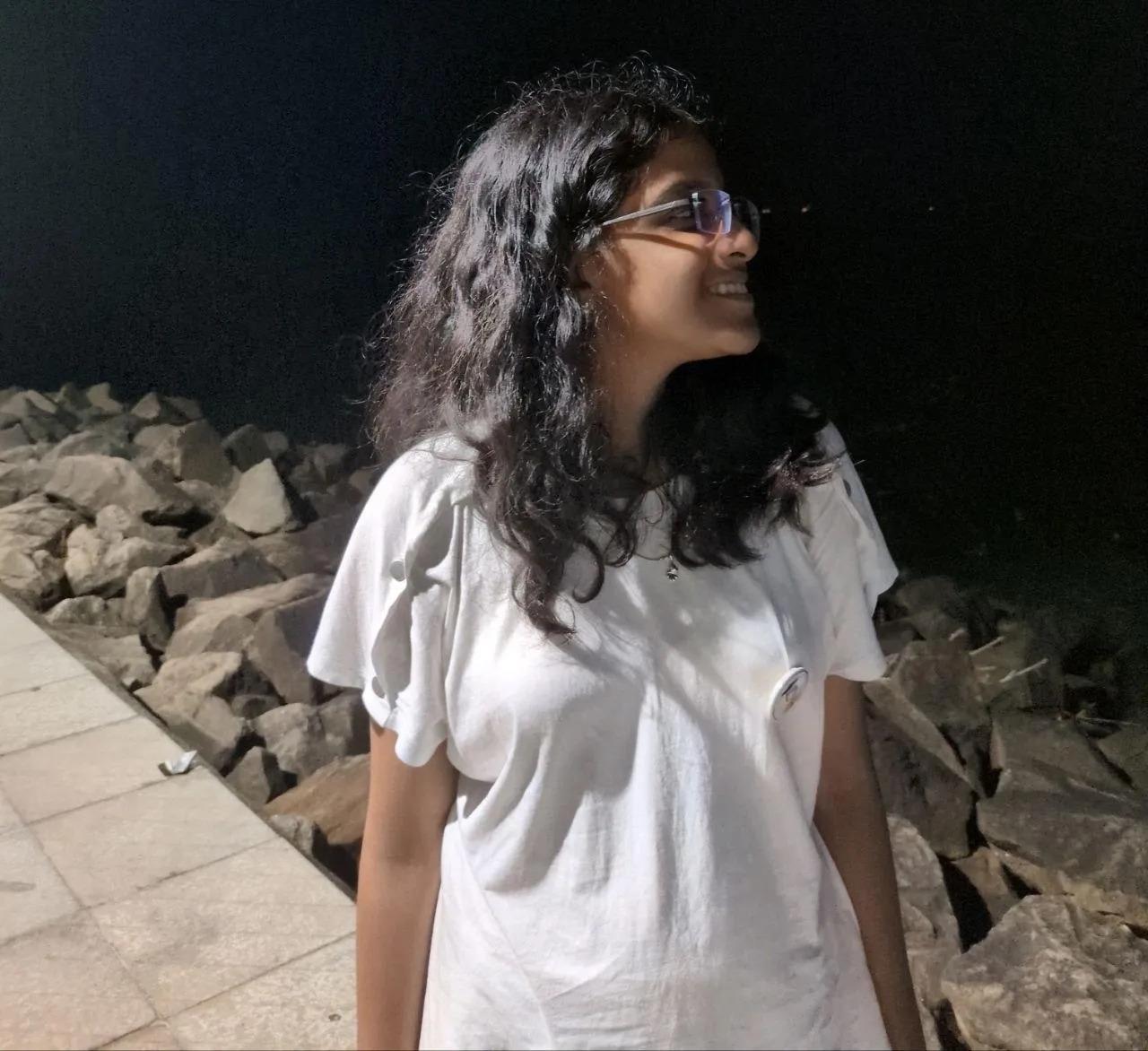
Keerthana is the founder of FOSSIA, a women-centric community for encouraging underrepresented people to contributing to the Indian free software ecosystem. She is an open source contributor and developer, focusing on improving accessibility in applications.
She is an ex-intern at Ente, where her passion for local AI grew into research for intuitive accessibility software that respects privacy and can be managed independently.
She volunteers for D&I initiatives in technological communities in terms of mentorship and guidance, especially for people with disabilities. She is a volunteer at FOSS United, CHAOSS and FOSSASIA Summit 2026.
She is also the founder of InLibre, a technological startup for developing inclusive technologies for the Indian community.
Apart from technology, she enjoys blogging, traveling and spending good time with her close ones.